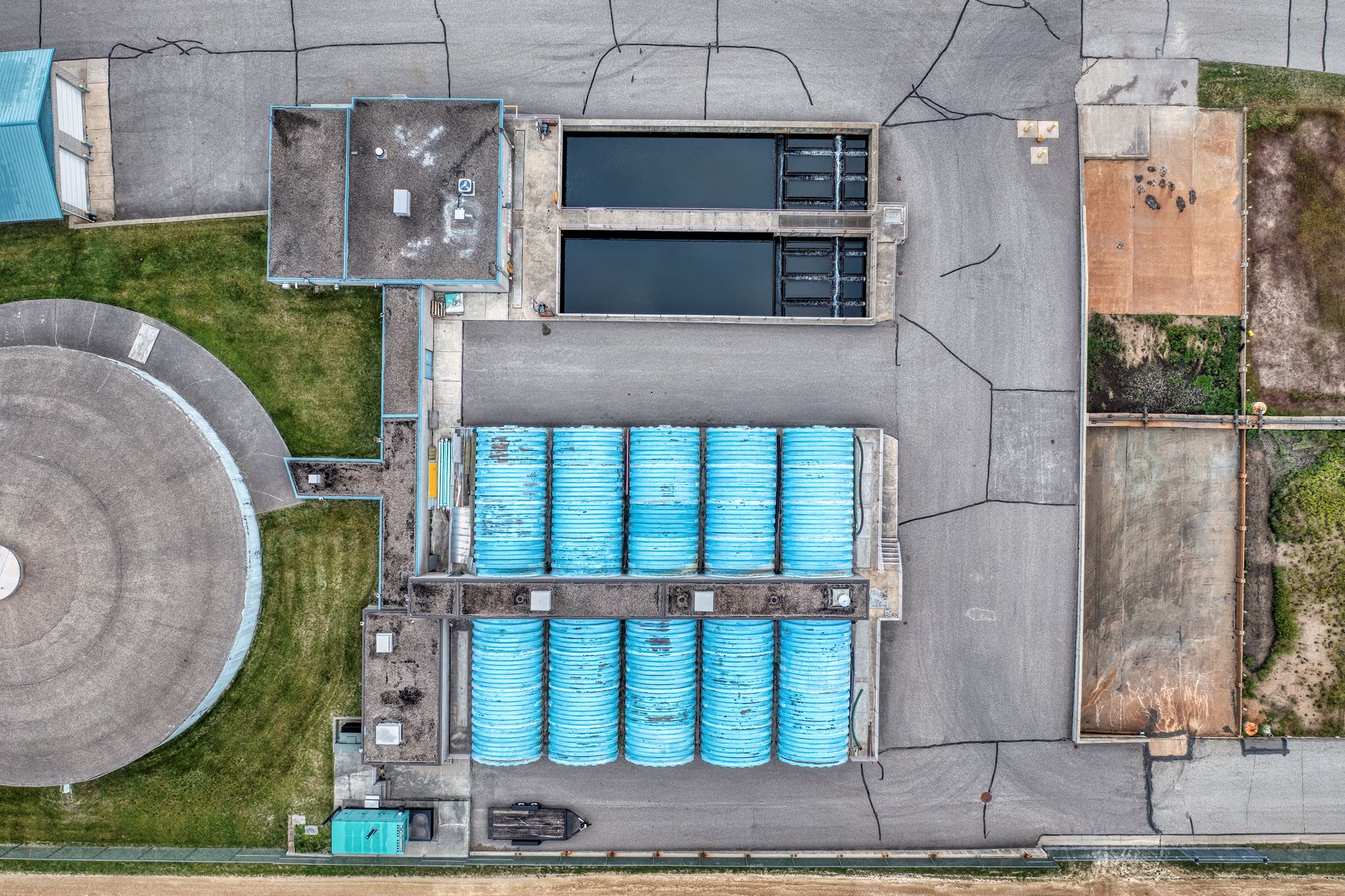
Vancouver Island gets approximately 70 percent of its electricity from the mainland through a pair of submarine cables and one terrestrial high-voltage corridor. In peak-demand events, which have become more frequent as data centers, electrified transport, and heating loads climb, that bottleneck forces BC Hydro to curtail customer load or request emergency power imports, a condition that will worsen as demand grows. On Thursday, July 30, 2026, BC Hydro issued a formal request for supplier qualifications to solve that problem with a 100-megawatt battery storage facility sited near Duncan, marking the first grid-scale BESS to be owned and operated by a major Canadian utility.
The timing is deliberate. BC Hydro's Powering Growth plan calls for new generation, transmission, and storage to support growing demand across the province. A battery does not generate power, it absorbs excess electrons when demand is low, then discharges at dispatch speed (milliseconds to seconds) when peak demand spikes. On a constrained island grid, that capability is worth more than a new generator or a thicker cable because it solves the timing problem: peak demand lasts hours, not days, and a battery can respond without waiting for gas turbines to spin up or mainland power to flow through those constrained corridors. BC Hydro says the facility will deliver 100 MW of flexible capacity and improve grid reliability while maximizing existing infrastructure, a diplomatic way of saying it forestalls the need to build new transmission and generation for years.
The formal procurement begins today with supplier pre-qualification. BC Hydro plans to invite qualified respondents to submit detailed proposals later in 2026, then move into detailed design, procurement, construction, and grid integration through 2027 and 2028, targeting service by 2030. The utility will own and operate the asset, but competitive procurement will cover design, construction, and potentially long-term maintenance. That public-utility ownership model differs from earlier North American BESS projects, which have often been built and operated by third-party storage companies on utility land. BC Hydro's choice to own the asset signals confidence that battery-based grid services are durable enough to be core utility infrastructure rather than temporary ancillary services.
The site selection, land adjacent to the Vancouver Island Terminal Substation near Duncan, removes a major project risk. Siting new electrical infrastructure in Canada requires provincial environmental review, municipal permitting, and Indigenous consultation, processes that add 18 to 36 months to any greenfield project. BC Hydro already owns the land and has electrical interconnection rights at the substation, which means the critical path for a 2030 in-service date is procurement and construction, not permitting. That matters because Vancouver Island's demand is growing visibly: the Island has historically housed light manufacturing and agriculture; in the past eight years, tech firms, e-commerce distribution centers, and residential growth have pushed peak demand upward by roughly 3 to 4 percent annually. At that growth rate, the grid's current transmission capacity will saturate faster than new cables can be installed.
What actually competes for this contract tells the story of which battery technology is winning North American utility adoption. Eos Energy deployed its third-generation Znyth zinc-aqueous battery at Lincoln Electric System in Nebraska on July 17, 2026, approximately two weeks before this announcement: a 3-MW/12-MWh system supporting a state-government microgrid. Zinc batteries cost less per kilowatt-hour than lithium and present no thermal-runaway fire risk in bulk installations, but they discharge at lower voltage and require active thermal management, limitations that favor four-to-eight-hour discharge durations. Tesla has installed lithium-based systems at utilities across North America and has optimized those batteries for precisely the four-to-six-hour peak-shaving profile that Vancouver Island needs. The RFSQ will draw competing bids from both camps, and the winner will likely define the template for the next wave of Canadian utility BESS procurement.
Monitor three specific milestones. First: the RFP release and response timeline. If the RFP slides past Q4 2026, construction will compress and the 2030 target becomes dicey. Second: the technology selection. If BC Hydro chooses lithium, watch whether supply-chain constraints on cells and packs delay delivery; if zinc, watch whether cell performance under Canadian winter cycling meets utility guarantees. Third: interconnection agreement and grid-code compliance with provincial regulators. BC Hydro moves fast by Canadian standards, but utility-scale BESS faces emerging questions about frequency response, fault-current contribution, and black-start capability that regulators have not yet codified. A smooth 2027 to 2028 construction window depends on those rules being clarified before detailed design closes.