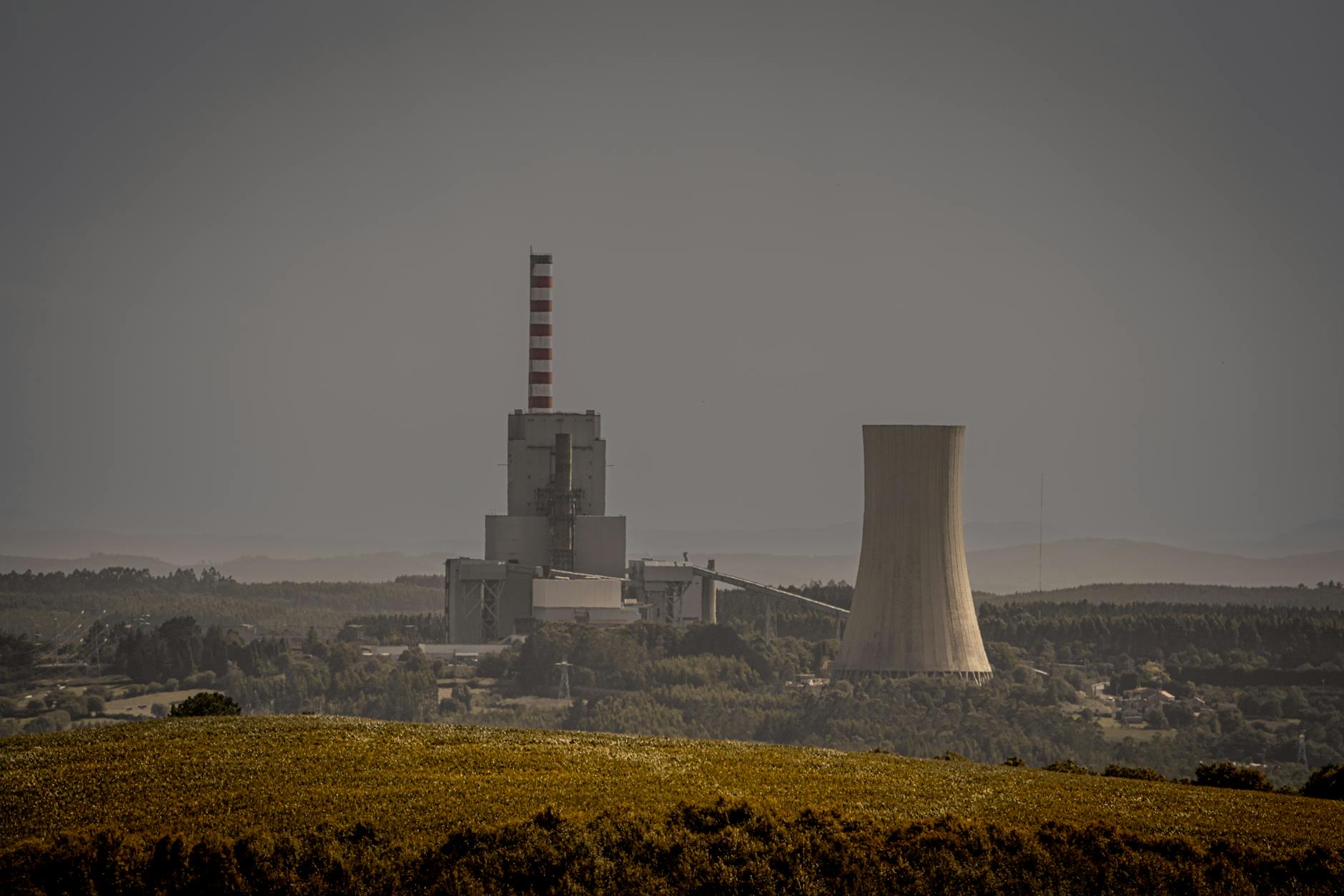
Focused Energy disclosed a $240 million Series A on May 27, 2026, the largest fully secured Series A in the global fusion industry to date. RWE led the round, and that is the structural detail to track. The German utility is simultaneously the lead investor and the strategic partner offering the Biblis site, a decommissioned nuclear facility that Focused Energy intends to repurpose for the world's first commercial laser fusion plant. SPRIND, the German Federal Agency for Breakthrough Innovation, and the European Innovation Council Fund joined alongside Prime Movers Lab, which led the company's earlier round and is now returning at scale. The cap table is the policy story: capital from a European utility, two German federal agencies, an EU-level science fund, and a returning American venture firm, all on a single fusion deal.
The technical lineage matters. Focused Energy commercializes the direct-drive laser inertial confinement fusion approach, which is distinct from the indirect-drive inertial confinement fusion approach used in Lawrence Livermore National Laboratory's December 2022 ignition achievement, the moment a controlled fusion reaction produced more energy than the lasers delivered to the target. The company employs scientists who worked on fusion experiments and is licensing direct-drive physics into a commercial geometry. The roadmap targets a pilot plant at Biblis by the mid-2030s and first grid megawatt-hours from the facility by 2037. Earlier this year Focused Energy also announced a $6.9 million research collaboration with the University of Rochester's Laboratory for Laser Energetics, the academic facility that complements the National Ignition Facility on the laser fusion side.
The named participants underscore that this is policy capital as much as venture capital. RWE CEO Markus Krebber, Hesse State Economic Affairs Minister Kaweh Mansoori, SPRIND Director Rafael Laguna de la Vera, and European Investment Bank Vice President Nicola Beer all appear in the announcement materials. The Hesse state government is backing the company through HessenFonds Beteiligungen and Hessen Kapital, two of the state's BMH-managed financing vehicles. Thomas Forner, CEO and co-founder, characterized the round as confirming 'our scientifically grounded laser fusion approach.' Markus Roth, co-founder and CSO, said 'speed is what counts now on the road to the first fusion power plant in Germany.' The Biblis site selection is significant beyond local politics. A decommissioned nuclear facility comes with grid interconnection, water-cooling infrastructure, security clearances, and a workforce trained on radiological safety, all of which compress the development timeline for a commercial fusion plant by years compared to a greenfield site.
Three things to track over the next eighteen months. First, whether construction permitting at Biblis proceeds on the announced timeline, the regulatory hurdle that determines whether the mid-2030s pilot plant target survives. Second, whether competing laser fusion startups including Marvel Fusion, Pacific Fusion, and Xcimer Energy close comparable rounds, which would establish a true category rather than a single funded entrant. Third, whether the European Commission's broader fusion strategy, which Forner co-signed an open letter on in April, translates into additional public co-financing that derisks construction capital for the first plant. The window for laser fusion to become the first commercially deployed fusion architecture, rather than tokamak or stellarator approaches, opens with this round and closes if the Biblis timeline slips.