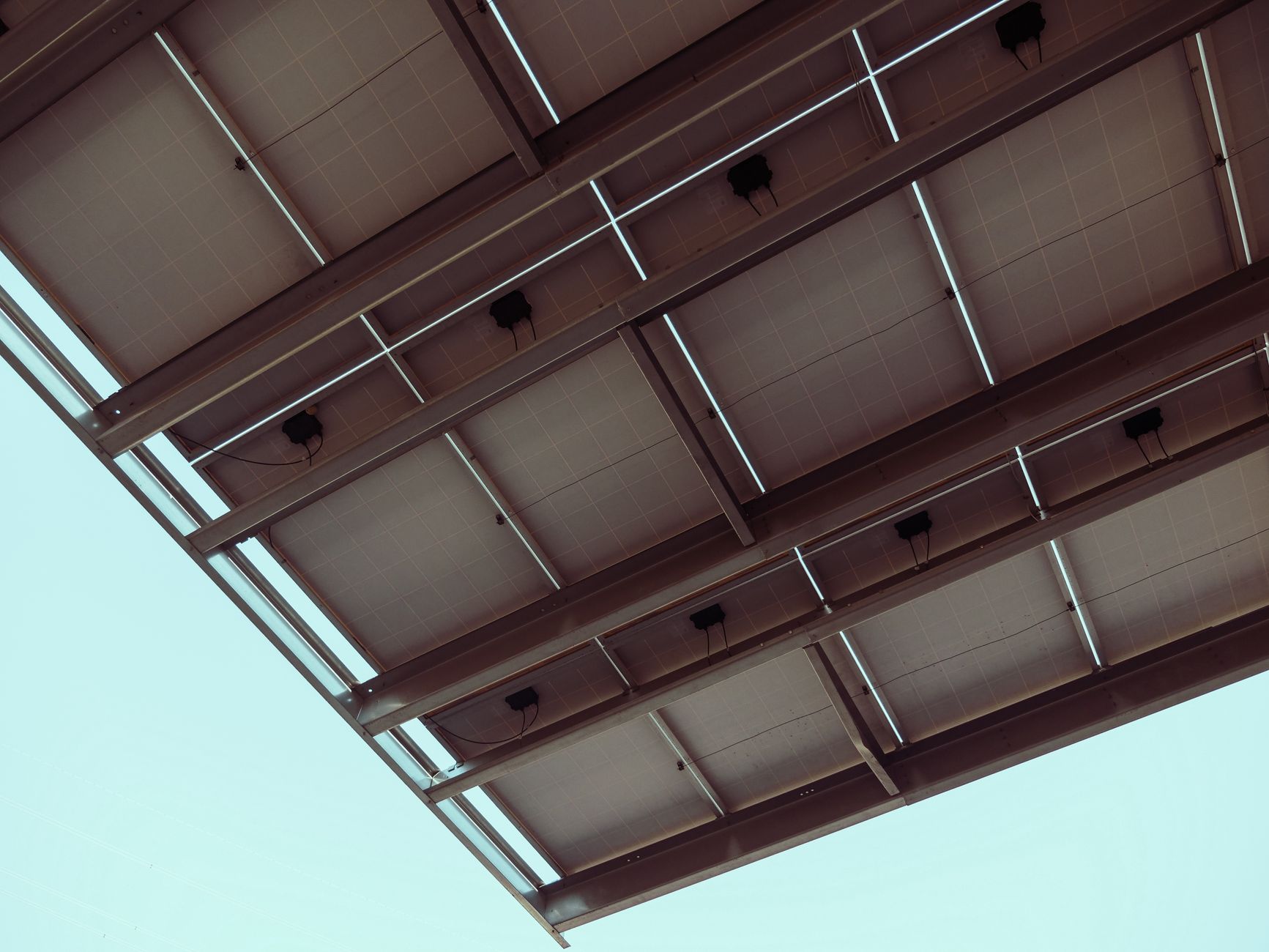
On May 21, Sungrow signed an agreement to supply 7.5 gigawatt-hours of PowerTitan 3.0 lithium-iron-phosphate battery systems for the UAE's Round-the-Clock (RTC) renewable energy project, alongside 2.6 gigawatts of PV inverters. The project, co-developed by Abu Dhabi's Masdar and the utility Emirates Water and Electricity Company, will pair 5.2 GW of solar generation with 19 GWh of storage and deliver a stable 1 GW of clean power 24 hours a day. The total project cost is $5.9 billion. The contract matters not because it is record-setting in size, though at 19 GWh, it is the world's largest battery installation to date, but because it is the first time a major utility has bet gigawatt-scale capital that solar-plus-battery can displace gas baseload at a tariff the market will actually accept.
The system is designed to operate on an eight-hour charging, 16-hour discharging cycle, storing enough energy each night to feed the grid continuously into the next afternoon. Sungrow's PowerTitan 3.0 units are liquid-cooled, silicon-carbide Power Conversion Systems (semiconductor switching hardware that converts DC battery voltage to AC grid frequency) with a round-trip efficiency of 90 percent and a maximum conversion efficiency of 99.3 percent. The inverters incorporate grid-forming capabilities, the ability to inject voltage onto the grid independently of other synchronous generators, and black-start capability, meaning the system can energize the grid from a cold start without an external source. The batteries are rated to operate at temperatures up to 55 degrees Celsius without derating, which matters in the Gulf. Commercial operation is scheduled for 2027.
Here is what this contract really signals: Masdar and EWEC are stating, under $5.9 billion of actual capital commitment, that a gigawatt of baseload renewable power costs less than the gas alternative. They did not build a pilot, run a feasibility study, or secure venture funding. They committed a state-backed utility budget to this model. The prior supplier selections, JA Solar for the 5.2 GW PV array and CATL as the preferred BESS supplier, already indicated that cost advantage lies with Chinese manufacturers. Sungrow's award of the secondary BESS tranche (7.5 of the 19 GWh) confirms that China controls the gigascale battery supply chain that makes this topology possible. Western battery makers like Tesla, LG Energy Solution, and Eos Energy have comparable or superior technology in laboratory conditions. None of them can match Chinese competitors on cost at 10+ GWh scale or delivery timelines measured in years, not decades.
The RTC project also signals a decisive shift in how utilities price baseload power. The tariff has not been disclosed publicly, but Masdar and EWEC would not have greenlit $5.9 billion for round-the-clock solar-plus-battery if the delivered cost exceeded the long-term marginal cost of gas generation, carbon pricing, and grid stability services. The project incorporates a virtual power plant architecture with AI-enhanced forecasting and intelligent dispatch, meaning the battery system will bid into the grid as a flexible resource, not a dumb load-following asset. That flexibility premium shrinks the effective cost of energy storage from a capital burden to a revenue stream. Gas peaker plants, by contrast, monetize scarcity, they sit idle most of the year and earn their return on the handful of peak hours. RTC inverts that model: high-capacity-factor renewable generation, battery smoothing the daily cycle, software extracting value from flexibility. The economics only work if the baseload solar tariff plus storage cost is lower than the operating cost of gas backup alone.
The open questions are narrow and testable. One: does the project hit its 2027 commercial operation date? Construction began in 2024. Two-year timelines for 19 GWh of battery deployment are aggressive; CATL and Sungrow have proven they can execute at this scale, but geopolitical supply-chain disruption or weather could slip the schedule. Two: what is the actual levelized cost of electricity delivered? Masdar claims global competitiveness but has not disclosed the number. That number, if it comes in under $40/MWh, will trigger replication within 18 months at utilities in India, Southeast Asia, Brazil, and possibly California. Three: which off-taker signs the power purchase agreement? The brief mentions the project will supply power to the AI sector, but no data-center customer has been named. If the off-taker is a corporate buyer (not a utility), the contract becomes a proof point that commercial baseload demand can move to 100% renewable with battery buffering, which would trigger a second wave of gigawatt-scale battery deployments at industrial sites globally. Watch for that customer name in Q3 2026.