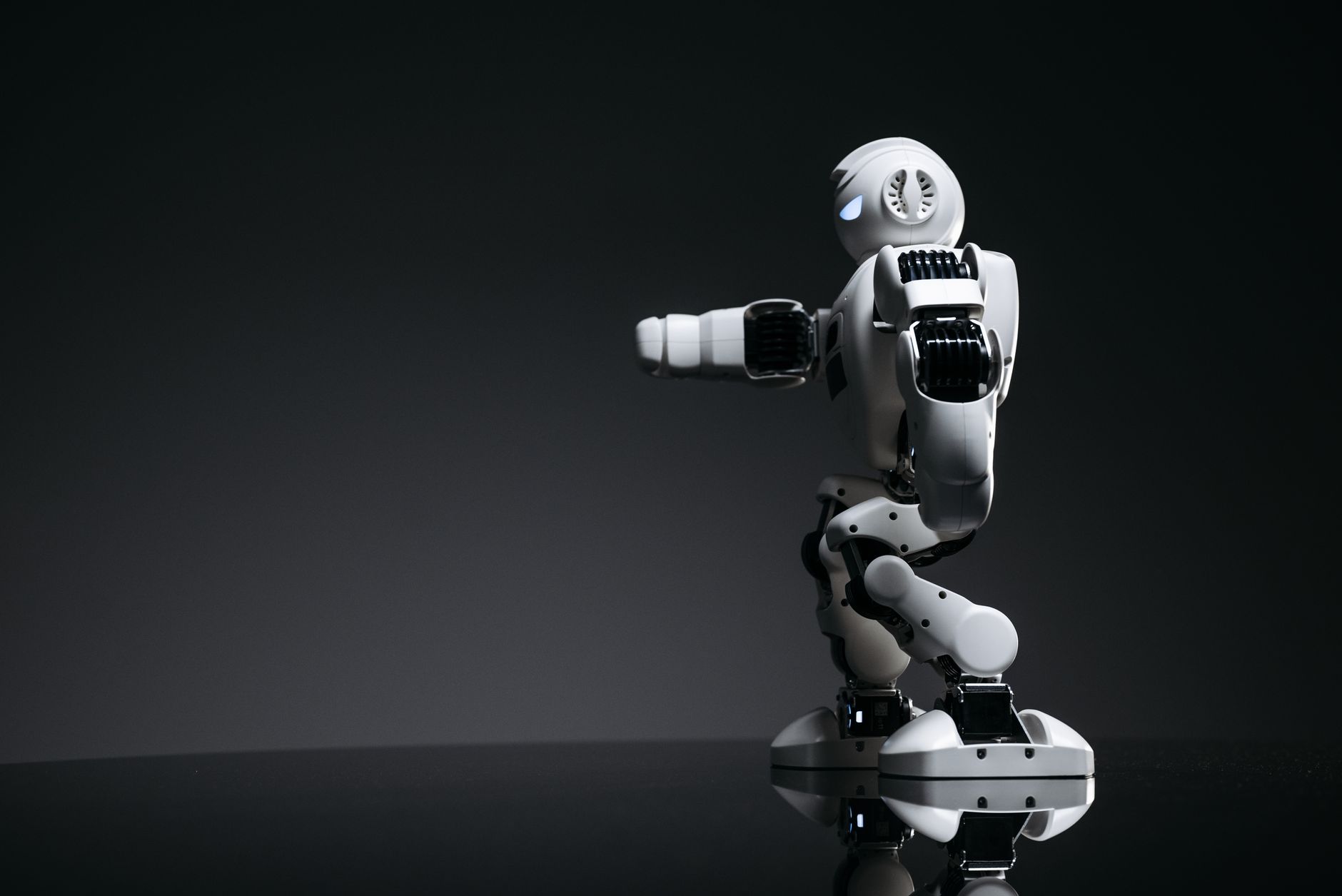
Amazon's warehouses are already running Digit humanoids from Agility Robotics. Toyota's Canadian factory is using them. GXO and Schaeffler have them working in logistics and manufacturing operations. None of this was supposed to happen this fast, nor was it supposed to happen without a standardized safety certification system that lets industrial operators, insurers, and regulators trust that the robots working next to humans actually know how to not hurt them. On June 22, NVIDIA solved that problem by doing what it does best: making the problem someone else's infrastructure layer.
NVIDIA announced Halos for Robotics at Automate 2026 in Chicago, a full-stack safety architecture for autonomous robots and physical AI systems operating in industrial environments. The system spans NVIDIA IGX Thor (specialized AI compute hardware), Holoscan Sensor Bridge (unified sensor connectivity), Halos OS (safety software stack), and the company's newly ANAB-accredited AI Systems Inspection Lab. Agility Robotics is the launch partner, integrating Halos into Digit and immediately deploying it across its existing commercial accounts at Amazon, GXO, Schaeffler, and Toyota Motor Manufacturing Canada. This is not a research project. It is a production system with named customers already running it.
The depth of NVIDIA's safety credential is the real story. The company has accumulated 18,600 engineering years on vehicle safety, published 330+ peer-reviewed safety papers, developed 22,000+ platform safety monitors, and produced over 7 million lines of safety-assessed code. That is not capital you can rapidly accumulate. That is institutional knowledge built over more than a decade of certifying autonomous vehicles to IEC 61508, ISO 13849, and ISO/IEC TR 5469, the exact standards Agility and NVIDIA will use to certify Digit's safety-related software, AI components, and cybersecurity protections before third-party certification bodies including TÜV Rheinland, UL Solutions, and TÜV SÜD sign off. The ANAB accreditation (ANSI National Accreditation Board) is the credential that matters, it means NVIDIA's inspection lab is recognized by the certification bodies themselves, so a robot maker can prepare and validate its system within Halos knowing it is building toward actual third-party approval, not just internal validation.
What makes this dangerous for competitors is that Halos is open. The ecosystem spans 40+ companies, and NVIDIA has released the Halos Outside-In Safety Blueprint as open-source on GitHub. This is the classic NVIDIA play, make the standard so useful and so well-engineered that adopting it becomes cheaper than building around it. A robot startup faces a choice: spend 18 months and $10M building its own safety assessment infrastructure, hire deep safety engineers, navigate IEC 61508 independently, or integrate Halos and gain instant access to the most credentialed safety program in robotics. The time-to-certification advantage is measured in quarters, not years. Agility gets that advantage immediately because it is already in production at four named industrial customers. Every other humanoid maker (Boston Dynamics, Tesla, Sanctuary AI, Figure AI) must now either adopt Halos or explain to enterprise customers and insurers why their alternative safety stack is more trustworthy than NVIDIA's.
Here is what does not happen next: a boutique certification firm, a consortium of robot makers, or a regional regulator suddenly becomes the gatekeeper. The infrastructure is locked in place. NVIDIA controls the reference implementation (IGX Thor), the software stack (Halos OS), the inspection lab (ANAB-accredited), and the first commercial proof point (Agility at Amazon). Competitors can build robots faster. They cannot build safety programs faster. Boston Dynamics and Figure AI have superior robot hardware. But neither has 18,600 engineering years of safety validation or an ANAB-accredited inspection lab. They will eventually integrate or build equivalent programs, but the 12-18 month head start Halos grants to first movers like Agility is the difference between market leadership and catching up.
Watch three specific markers to confirm the read. First, Agility's third-party safety certification for Digit should complete by Q4 2026, that is the moment regulators and enterprise customers stop treating robot safety as a research question and start treating it as a compliance requirement. Second, track whether at least two other major robot makers announce Halos integration in H2 2026, that signals adoption has become mandatory, not optional. Third, monitor whether any alternative safety standard (a consortium effort, an automotive supplier's defense, or an open-source competing stack) gains meaningful traction. If none emerges by end of 2026, NVIDIA has successfully made safety certification a proprietary NVIDIA service, and the robot industry has accepted it.