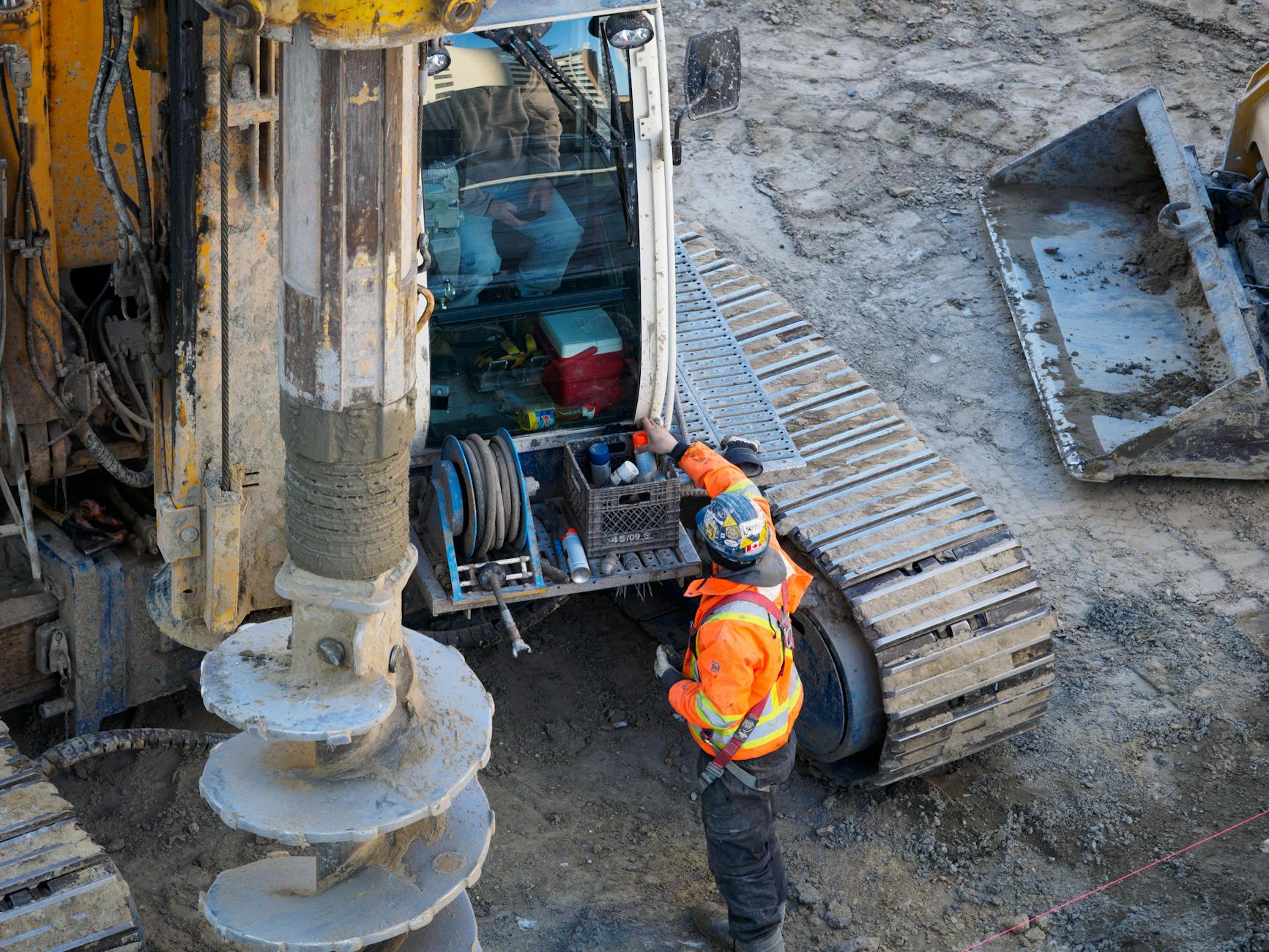
Rio Tinto's Perth Operations Centre sits 1,500 kilometers south of the Pilbara iron ore mines it controls, yet operators there remotely manage 40 autonomous drill rigs across seven active sites. That geography alone explains why the company has invested a decade in autonomous drilling, the cost of flying skilled crews in and out of remote Western Australian operations is brutal. But one problem has blocked Rio Tinto from expanding the model: every rig it owns runs on a proprietary autonomous stack tightly coupled to that specific machine's hardware. Adding a new rig model meant rebuilding the autonomy layer from scratch. On Monday, Sandvik and Rio Tinto announced a formal partnership to solve that problem by jointly developing interoperable autonomous drilling capabilities that will let different rig models operate on a common platform.
The partnership pairs Rio Tinto's decade of autonomous drilling and remote operations experience, deployed across real Pilbara production sites, with Sandvik's AutoMine platform and i-series surface drill rig lineup, which were architected from the outset with autonomous operation as a design requirement rather than a retrofit afterthought. The agreement commits both companies to co-develop the integration logic, sensors, and autonomous algorithms needed for multi-rig and multi-site remote operation via Rio Tinto's Perth Operations Centre. Phase 1 testing takes place at Sandvik's dedicated Test Pit facility in Finland, where joint engineering teams will validate automation protocols, stress-test interoperability between AutoMine and Rio Tinto's Autonomous Drilling System (Rio Tinto ADS), and de-risk system integration without production failure. The effort directly addresses why autonomous drilling has lagged autonomous haulage by roughly a decade in commercial maturity: unlike haul trucks operating on fixed road networks, drill rigs must respond dynamically to subsurface variability, shifting rock hardness, unexpected voids, changing ground conditions, which requires far more sophisticated sensor fusion and adaptive autonomy logic.
The strategic read here is structural. Petri Virrankoski, Sandvik's President of Surface Drilling, framed the deal as a move toward "open, interoperable automation," which is code for ending the era of vendor lock-in in mining autonomy. Rio Tinto currently owns 40 autonomous rigs that cannot easily talk to each other's control systems if they come from different manufacturers. Adding a 41st rig from a different OEM means either running two separate autonomy stacks in parallel, a training and maintenance nightmare, or accepting that the new rig stays manual. That constraint has forced mining operators to either commit to a single OEM's platform or maintain multiple isolated autonomous fleets. Sandvik and Rio Tinto are betting that interoperability solves that problem, which in turn makes autonomous drilling economically viable for more operations. The test pit phase is the proving ground; if the integration holds under stress, Rio Tinto can begin migrating its existing 40-rig fleet and adding new equipment without architectural constraints.
Who wins from this? Rio Tinto gains fleet flexibility and the ability to source drills from multiple OEMs while maintaining a unified remote operations model, that translates directly to negotiating power with equipment suppliers and lower long-term cost of ownership. Sandvik wins access to a reference installation across seven Pilbara sites, which is the kind of validation that opens doors at other major operators evaluating autonomous mining systems. The broader play is that successful interoperability establishes a de facto standard in autonomous drilling, which would shift the competitive dynamic from "which OEM's proprietary stack do you commit to" to "which OEM makes the best drill hardware at the best price." That favors equipment manufacturers with strong mechanical engineering and operational reliability, not just software sophistication.
The open question is whether the Finland trials deliver the interoperability promise without compromising safety or productivity. Autonomous drilling at scale requires real-time subsurface adaptation, the system must shift drilling parameters as it encounters unexpected geology. If the joint autonomy layer adds latency or reduces the system's ability to respond to changing conditions, Rio Tinto will keep running separate stacks despite the operational overhead. Two milestones to watch: the completion of Phase 1 testing at Sandvik's Test Pit facility (no timeline disclosed) and Rio Tinto's decision on whether to migrate its Gudai-Darri or other production sites to the integrated platform. Success at either of those points would signal that mining autonomy is finally moving from proprietary platforms toward standardized interoperability, which would reshape equipment procurement across the industry.