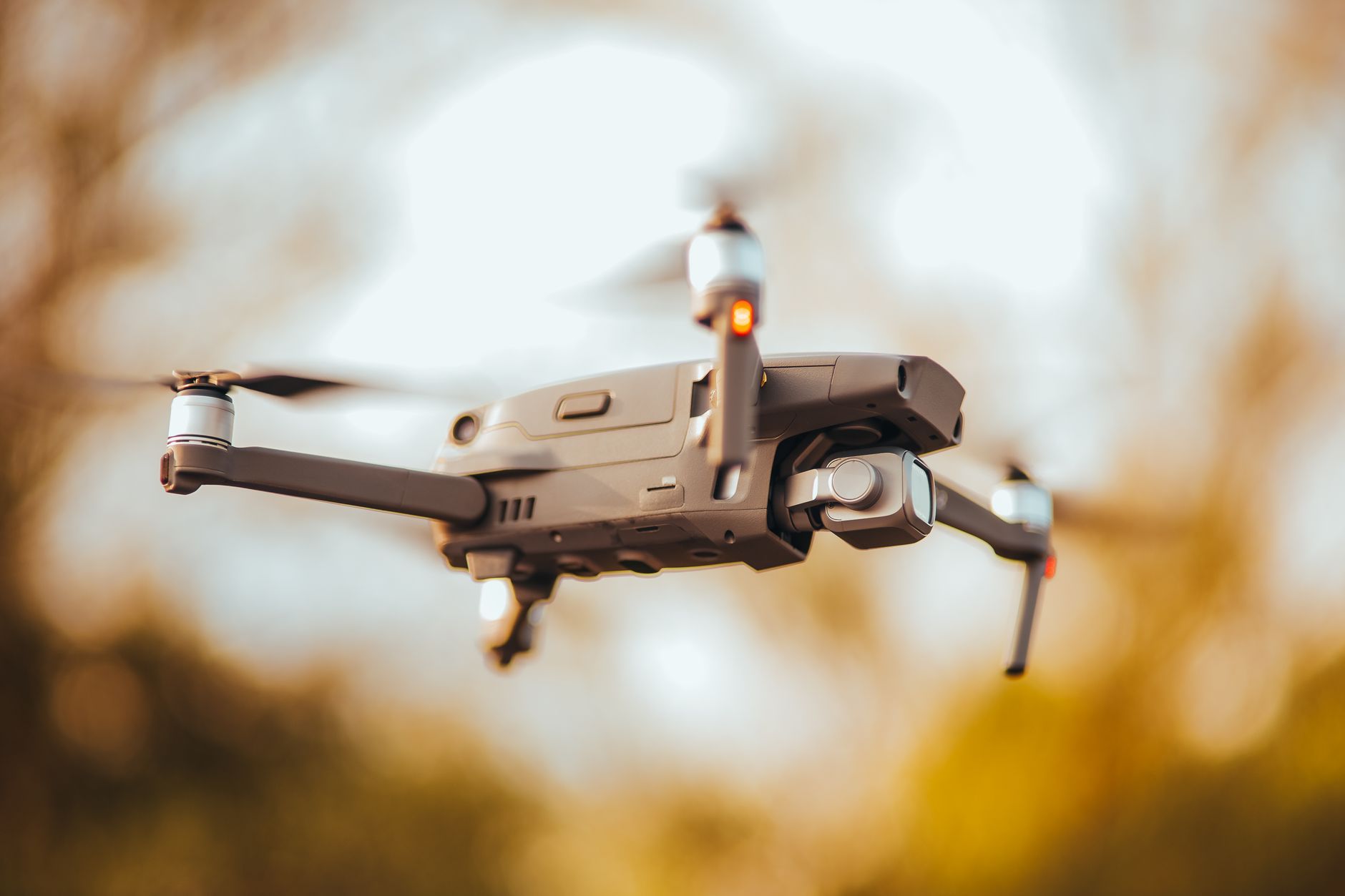
Shield AI said its Hivemind software would let the LUCAS drone swarm 'sense, decide, and act independently, without human intervention.' One operator controls multiple autonomous systems. The design wins in a Pentagon that values speed over legal friction. Then, on June 17, the Senate Armed Services Committee adopted an amendment requiring the exact opposite: a designated commander with final authority over any use of force involving autonomous or semi-autonomous weapons, with documented target-selection justification. Sen. Mark Kelly's push for statutory human oversight arrived not as a theoretical concern but as a direct operational constraint on platforms already selected for fielding.
The Kelly amendment lands in the middle of a $55 billion fiscal 2027 Pentagon push to accelerate drone production and autonomy development under the Defense Autonomous Warfare Group. Shield AI expects to demonstrate LUCAS swarm capability this fall, before the NDAA passes. The company's technical architecture, as currently described, permits the swarm to operate without human intervention in the kill chain. The legal requirement now imposes a human decision gate somewhere in that chain. This is not a marginal compliance cost. This is a redesign of the core value proposition: Anduril's Lattice and Shield AI's Hivemind were both engineered to close the loop faster than human authorization allows. Kelly's amendment does not permit that tradeoff anymore.
The timing exposes a structural gap in how the Pentagon acquires autonomous systems. Anduril received a $20 billion Army enterprise contract in March 2026. Shield AI was selected for LUCAS integration in May 2026. Both selections happened before the human-authority mandate was law. The contractors built to spec, then Congress changed the spec. Paul Lushenko, an Assistant Professor at the U.S. Army War College who studies AI governance, called human oversight 'a legal, moral, ethical imperative.' He is right. It is also now a legal requirement that the companies must engineer backward into systems already in pilots. That is expensive and it is late.
Watch three markers to see whether the mandate holds. First, NDAA floor passage: Kelly's amendment was adopted by committee on June 17, but full Senate passage is not guaranteed. If the amendment survives floor debate, it becomes law. If stripped in conference with the House, it dies. Second, Shield AI's fall swarm demonstration: the company has publicly committed to showing operational swarm capability before the year closes. The question is whether that demo includes the human-authority gate the amendment requires, or whether Shield AI attempts to grandfather existing contracts under pre-amendment rules. The Pentagon has not yet clarified whether the mandate applies retroactively to LUCAS or only to new autonomous-weapons programs going forward. Third, contractor legal briefs on redesign scope: Anduril and Shield AI will file position papers with Army lawyers arguing either that the human-authority requirement is already satisfied by their architecture (unlikely, given Shield AI's own marketing language about independence), or that implementing it requires contract modifications and timeline extensions. The cost and the calendar slip will tell the real story.
The amendment reflects something larger than a single regulatory constraint. It is the point at which venture-backed autonomy companies hit the speed limit imposed by the military's actual legal and political risk tolerance. The Pentagon wanted autonomous swarms faster than human cognition. Congress said no. The companies that architected around that constraint will now pay the cost of redesign. The companies that built human-authority guardrails from the start, if any exist, just became cheaper to integrate.