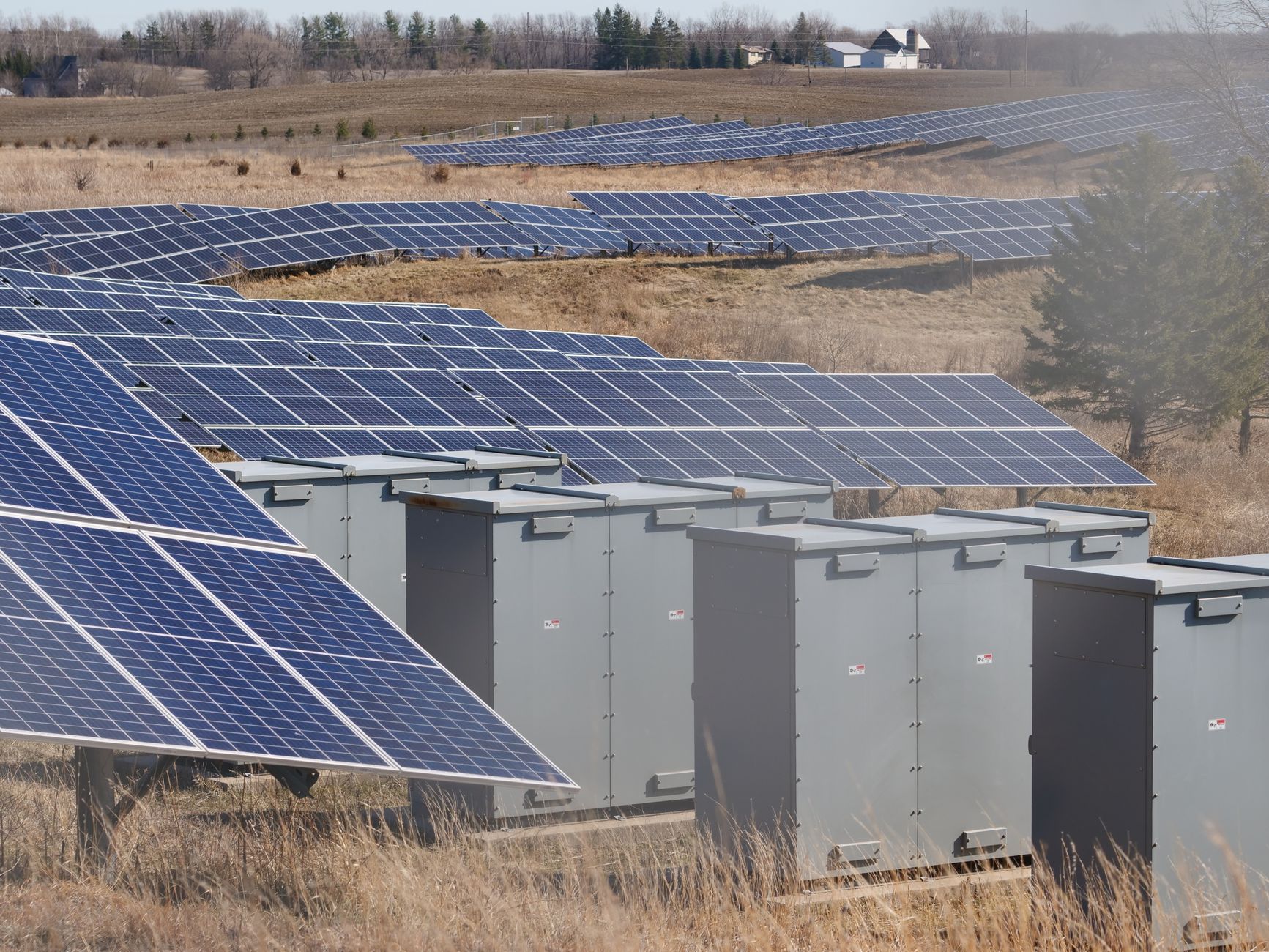
Shanghai's SNEC 2026 concluded on June 5 with an unusual outcome: the energy storage halls filled faster and drew larger crowds than the photovoltaic module halls. For the first time, storage claimed six full exhibition halls against four for PV, a physical inversion of the industry structure that has held for two decades. The signal was unmistakable. When 92.7 GWh in signed orders and strategic cooperation deals landed in a single three-day window, they were not press releases about future pilot plants. They were contract commitments: 8 GWh framework deals with equipment manufacturers, 10 GWh annual procurement agreements spanning 2027, 67 GWh in strategic partnerships concentrated in three companies. The volume told the story the supply chain no longer bothers to hide, grid-scale storage demand has crossed the inflection point where it moves faster than lithium supply can accommodate.
EVE Energy's 67 GWh partnership haul during the exhibition is the sharpest proof. In three days, the Chinese battery OEM signed enough capacity commitments to equal the entire US grid-connected battery storage capacity as of 2024. CORNEX secured 12 GWh in separate agreements, including an 8 GWh framework with Dongfang Electric for large-format cylindrical cells (314Ah and 588Ah form factors). Shaanxi Environmental Protection Group committed to annual equipment procurement of 10 GWh in energy storage projects for 2027 alone. These are not aspirational. They are pre-purchase commitments from operators and system integrators who need the hardware to flow to grid connection queues that are already three years deep in most US markets. The EIA projects 24 GW of battery storage capacity additions to the US grid in 2026 alone, a 60% increase over the record 15 GW added in 2025. At four-hour duration (the current standard), that math demands 96 GWh of cells in 2026 across North America. SNEC's 97 GWh in three days tells you the global manufacturing base is moving to fulfill that demand now.
Behind the headline volume sits a cost driver that reshapes who wins through 2027. CATL announced Q3 2026 mass production debut for its sodium-ion BESS container, delivering 3.07 MWh per standard 20-foot unit with a claimed 15,000-cycle life at 25 degrees Celsius, an 80% performance durability gain over lithium-ion under thermal stress. Sodium-ion costs 30 to 40 percent less per kilowatt-hour than lithium. At grid scale, that margin moves the economics of four-hour and eight-hour systems from capital-constrained to buyer-constrained. HiTHIUM's unveiling of its ∞Power 6.9 MWh BESS system, native eight-hour design, 1300Ah custom cell, 25-year design life, is aimed at the same inflection. Neither product is waiting for the US or EU certification cycles. Both are in production commit stage for Chinese and Vietnamese deployments in Q3 and Q4 2026. HiTHIUM and DSS Solar signed a three-year 1 GWh strategic agreement for Vietnam's residential, commercial, and industrial storage markets during the exhibition. That is not a pilot; it is a volume ramp.
The competitive implication is direct and already in motion. Chinese lithium battery OEMs, CATL, EVE Energy, SVOLT, Ganfeng, are taking 70 to 80 percent of global BESS orders now flowing from grid operators and integrated utilities that cannot wait for Western incumbents to certify products. Western OEMs (LG, Samsung, Eos, Hecate) are competing on niche segments where duration, thermal performance, or supply-chain localization commands premium pricing. JinkoSolar designated 2026 as its 'breakout year' for storage, launching its Blue Whale SunTera G5 system at SNEC, a move that signals even a pure-play solar OEM sees margin migration toward storage faster than module margin compression allows. The exhibition hall rebalancing is not symbolic. It reflects where capital is flowing and where manufacturing scale is concentrating.
Two markers will confirm whether this adoption inflection holds through 2027. First: CATL's sodium-ion container mass shipment ramp in Q3 2026, watch whether deliveries meet the company's stated capacity commitments in Vietnam and Southeast Asia, and whether US or EU grid operators begin specification approvals before late 2026. Second: EVE Energy's ability to execute against its 67 GWh partnership commitment, any major delay in fulfilling framework orders in H2 2026 signals manufacturing constraint, not demand constraint. If both execute to plan, expect sodium-ion and alternative chemistries to capture 25 to 35 percent of new grid capacity additions globally by 2027, collapsing lithium-ion cost floors and reshuffling competitive position across the Tier 1 BESS provider set.