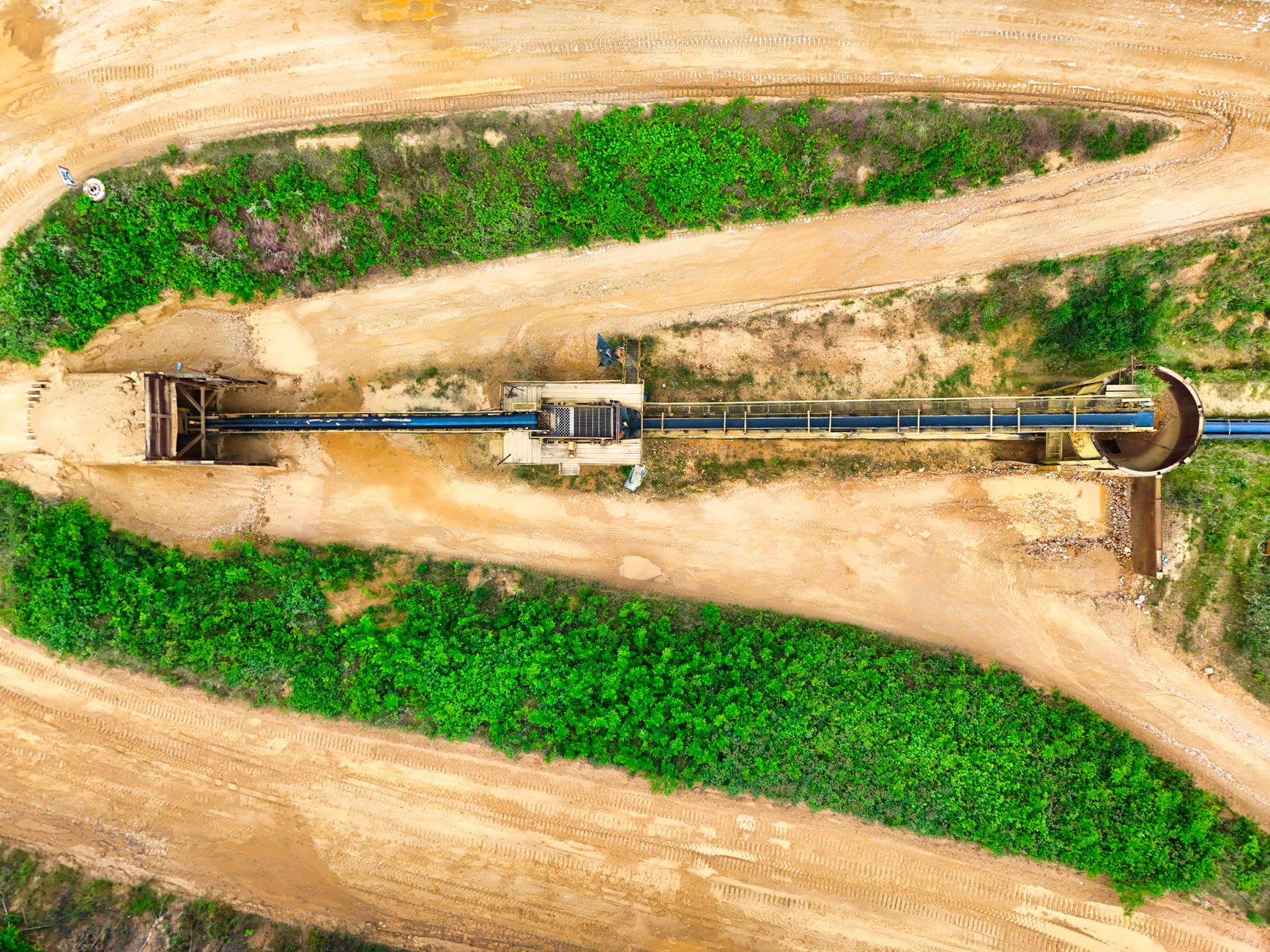
The Democratic Republic of Congo has not been subtle about its leverage. Since February 2025, it has restricted cobalt exports through a state entity called EGC, which now holds a monopoly over artisanal cobalt sales, the source of roughly three-quarters of global supply. The allowance for 2026 and 2027: 96,600 metric tons per year, consisting of 87,000 metric tons distributed to producers pro rata and 9,600 metric tons reserved as a strategic quota. That represents approximately 47-48% of the country's 2024 cobalt production of around 204,000 tonnes. Two months later, Indonesia announced it would cut its nickel ore production quota from 379 million metric tonnes in 2025 to 250-260 million metric tonnes in 2026, a 34% reduction in the world's largest primary nickel producer. Then China suspended the giant Jianxiawo lithium mine. None of these moves were coordinated. All three have reversed the battery metals crash that had hollowed out miners' margins and killed new projects through 2024 and 2025.
What makes this inflection matter is that it arrived not through Western policy, no tariff, no purchase requirement, no subsidy, but through the deliberate scarcity economics of the three nations that control the bottlenecks. The DRC holds 70% of global cobalt output. Indonesia is the dominant mined nickel producer. China's mines and processing capacity dominate lithium. Prices have already moved: spot refined cobalt prices have rebounded on the DRC policy news, though transactions remain thin and dominated by stockpiling behavior rather than actual production demand. The real constraint is not whether prices stay high, it is whether Western battery makers and automakers can afford to wait out supply discipline from three different capitals that have proven they will accept margin pain to establish pricing power.
Meanwhile, the EV market itself is telling a different story. Global electric vehicle sales for January-May 2026 were 7.5 million units with mixed regional performance, according to Benchmark Mineral Intelligence. North America contracted 25% year-on-year after the removal of U.S. tax credits in September 2025. China, which accounts for half of global EV sales, fell 15% in the first five months of the year. Europe grew 26%, and the rest of the world grew 89%, but that growth is almost entirely Chinese manufacturers exporting to Asia, it does not create Western demand for Western-sourced battery minerals. The EV sector accounts for 70% of lithium-ion battery deployment, meaning that when EV growth stalls, mineral demand stalls with it. Supply restriction in a demand-down environment does not just restore margins, it forces a structural reallocation of what gets built and by whom.
The big winner in that reallocation is Chinese LFP (lithium iron phosphate) battery chemistry, which has captured over 55% of EV batteries deployed globally according to the IEA. LFP uses no cobalt, less nickel, and less lithium than conventional ternary chemistries. It is cheaper to manufacture, dominates both automotive and stationary energy storage markets, and is almost entirely controlled by Chinese producers and integrators. Western automakers have been reluctant to commit to an LFP-first strategy because it means accepting Chinese supply chain dominance at a foundational level. But as cobalt becomes scarce, nickel stays managed, and lithium stays constrained by Beijing's state ownership of mining capacity, that reluctance has become an unaffordable luxury. The choice is no longer theoretical: pay higher prices for Western-compatible chemistries with cobalt-dependent cathodes, or capitulate to the chemistry that already owns half the market.
Two markers will determine whether this price floor holds. The first is raw material arrival data and restocking momentum in downstream smelters over the next quarter, the SMM cobalt analysis from July 3 flags strong wait-and-see sentiment in cathode precursor markets, meaning end-users are not yet convinced supply is secure enough to buy at current prices. The second is whether the DRC, Indonesia, and China maintain export discipline through Q4 2026 and into 2027, or whether price gains convince them to open quotas. Supply discipline is only credible if the three nations that engineered it accept that higher prices will suppress demand long enough to burn through existing inventory. If they do not, prices collapse again, and Western supply chain investment timing is reset for another cycle.